Chief justice notes history of buildings just for courts
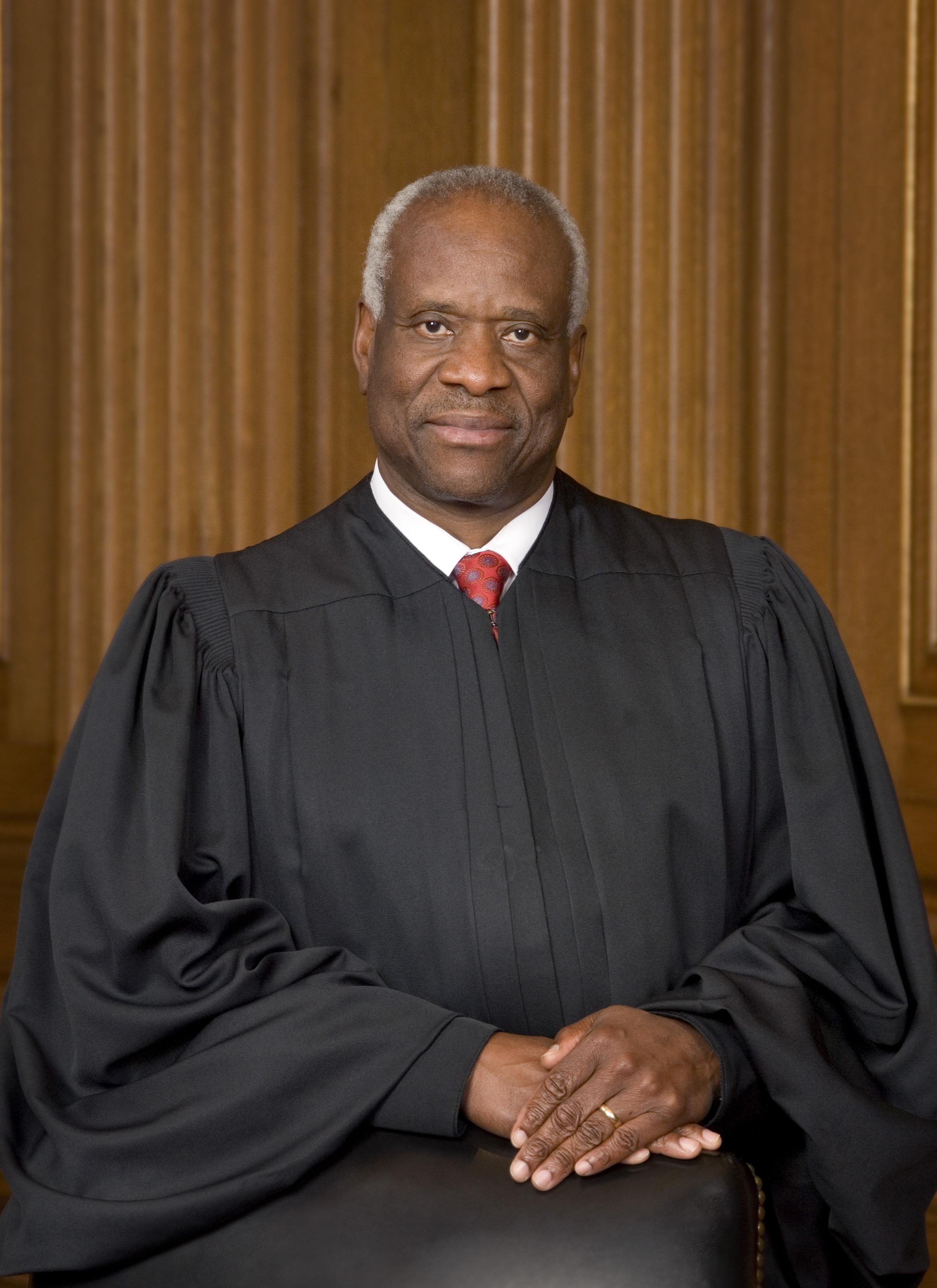
COLUMBUS, Ohio - As the Ohio Supreme Court dedicated its new building on Saturday, U.S. Supreme Court Chief Justice William Rehnquist drew on the parallel paths Ohio and the United States took to getting a building exclusively for the judicial branch.
A Building for Justice
Rehnquist noted that Gov. Bob Taft is the great-grandson of William Howard Taft, a former president and chief justice of the U.S. Supreme Court credited with securing new quarters for the nation's high court.
Ohio's Rich Judicial History
Rehnquist, an avid history buff, highlighted Ohio's rich judicial history, providing biographies of each of the three Ohioans who served as chief justice of the nation's highest court. No state has had more, and only New York boasts as many, he said.
William Howard Taft's Impact
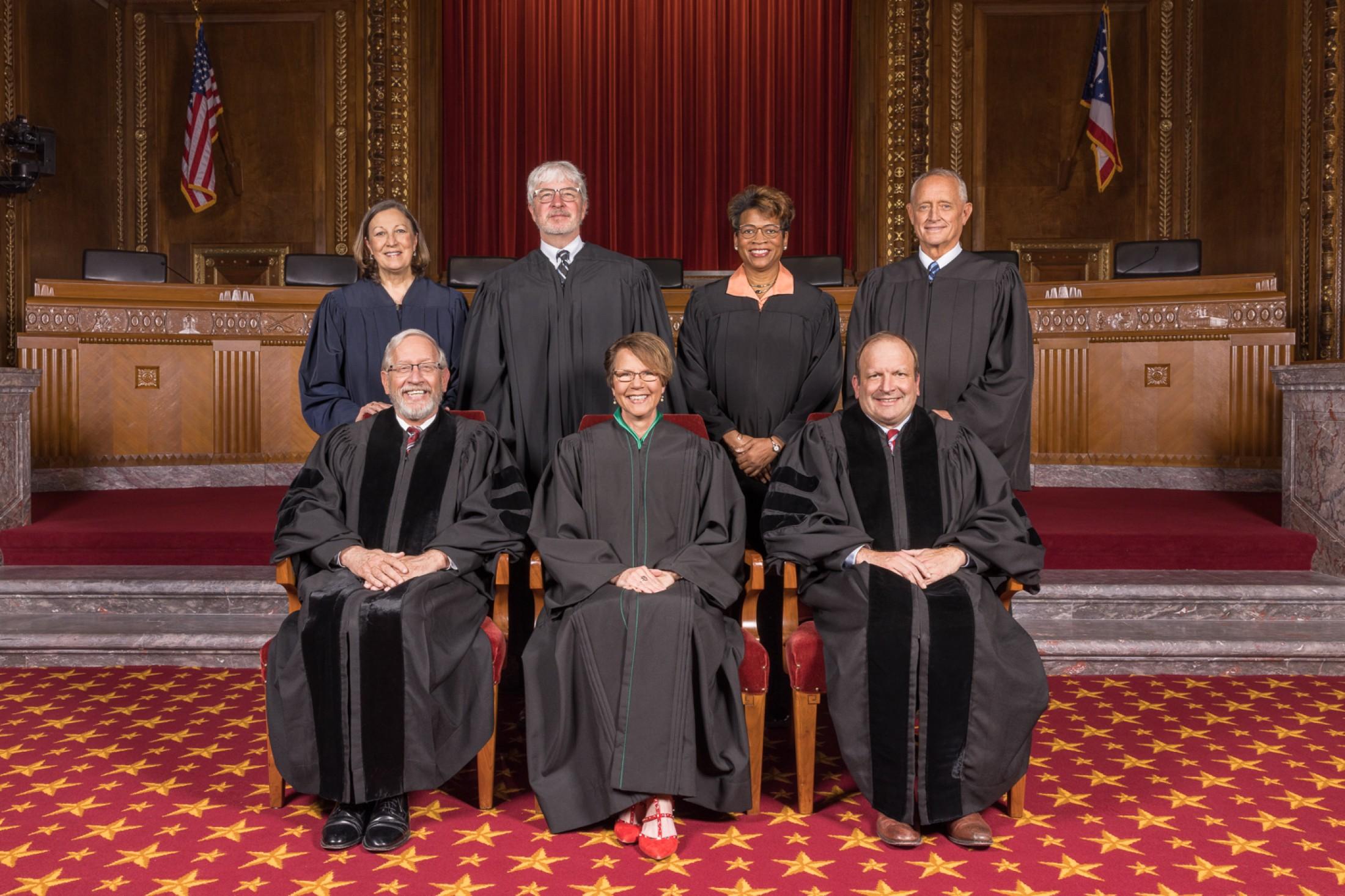
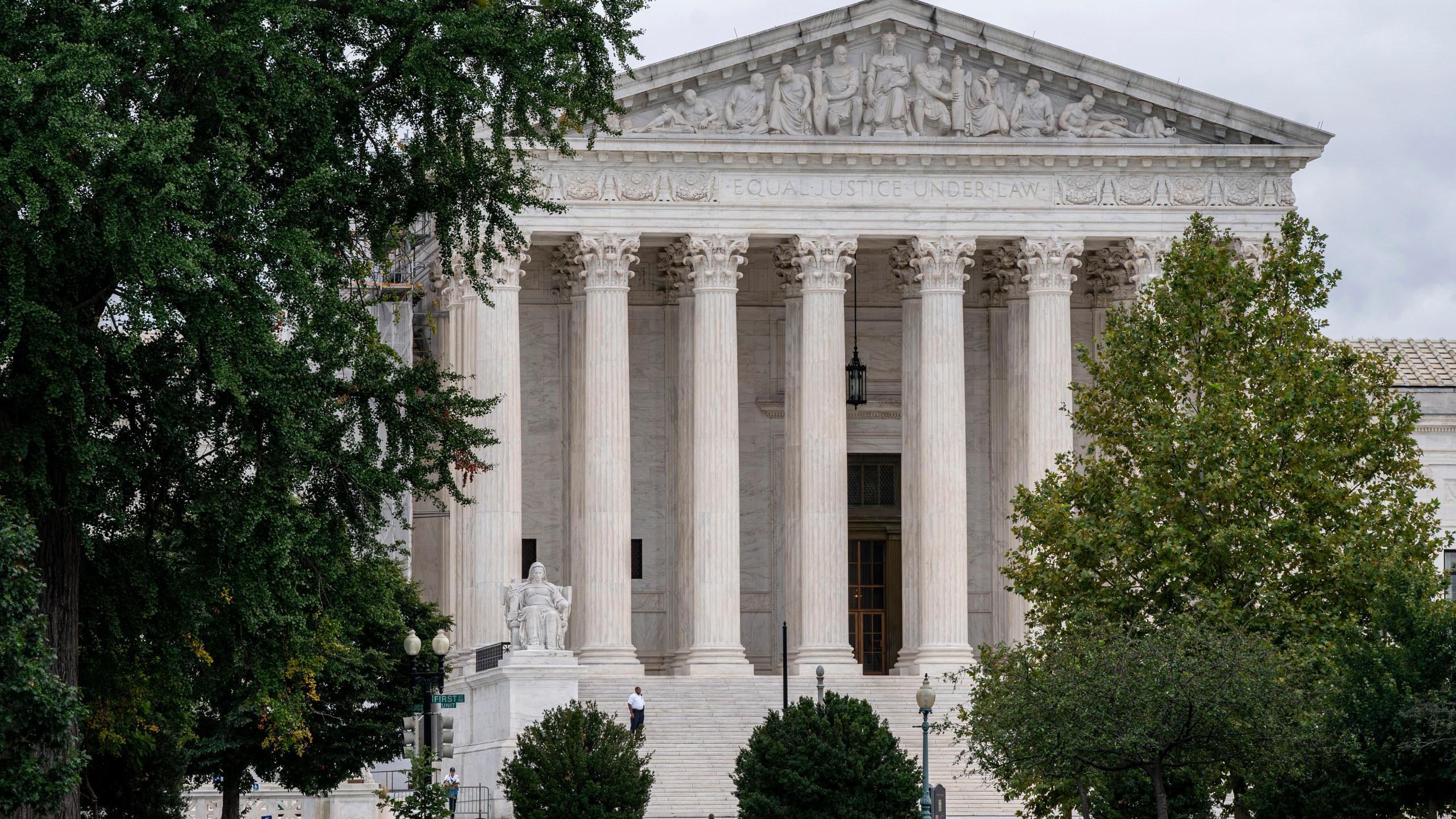
Taft, chief justice from 1921 to 1930, played a pivotal role in persuading Congress in 1929 to authorize a building exclusively for the Supreme Court. Prior to this, the court had operated out of various locations within the Capitol building.
A Journey Through Time
The Ohio Supreme Court's new building is a testament to the significance of history and the evolution of the judicial system. The construction on the building began in 1931, a few years after the completion of the U.S. Supreme Court building in Washington D.C. Recently, the building underwent an $85.3 million renovation, making it the first time in the court's history that it has its dedicated space.
A Place of Honor
The newly refurbished building pays homage to Ohio's past with bronze plaques of former Ohio chief justices, including Taft, lining the marble halls. The courtroom on the first floor features five murals depicting the states carved out of the Northwest Territory, representing Ohio's influence in the region. The interior is adorned with walnut wall panels and additional murals depicting different periods from Ohio's history.
Preserving History
The renovation of the Ohio Supreme Court building was no small feat, requiring the work of nearly 2,000 people over three years. Pieces of original woodwork were restored and reinstalled, ensuring the preservation of the building's historical elements.
Dedication Ceremony
The dedication ceremony, attended by approximately 175 judges in their black robes, was led by U.S. Supreme Court Chief Justice William Rehnquist. Due to rain, the ceremony had to be moved inside the 415,000-square-foot building, where attendees marveled at its grandeur and historical significance.
Conclusion
The dedication of the new Ohio Supreme Court building not only marks a significant milestone for the state's judicial system but also serves as a reminder of the importance of preserving history. This beautifully refurbished building stands as a testament to Ohio's rich legal heritage and the dedication of those who worked tirelessly to ensure this historic structure would be enjoyed for generations to come.
The Importance of History in Today's Hotels
Just as the Ohio Supreme Court building highlights the significance of preserving history, the hotel industry also recognizes the importance of combining modern comfort with a touch of nostalgia. Many hotels around the world have been carefully restored to retain their original charm while providing guests with luxurious amenities. From historic landmarks to boutique establishments, these hotels offer a unique experience that blends the past with the present.