
For years, educators have been exploring various methods to improve distance learning for the deaf. The advent of high-speed internet has now made it possible for educators to utilize video streaming as a supplement to onsite teaching. This progressive way of feeding small chunks of information allows deaf students to view sign language instruction easily and in real-time, enhancing their learning experience. In this article, we will explore how educators are increasing the use of video streaming and its potential impact on deaf education.
Sign Language Instruction Made Easy
Thanks to high-speed internet connections, video streaming now enables clean-motion sign language transmission over the internet. In the past, video materials had to be stored, and students needed specific equipment to view them. However, with video streaming, large video files can be easily accessed and viewed live or pre-recorded, eliminating the need for physical storage and specialized equipment.
Expanding Access to Education
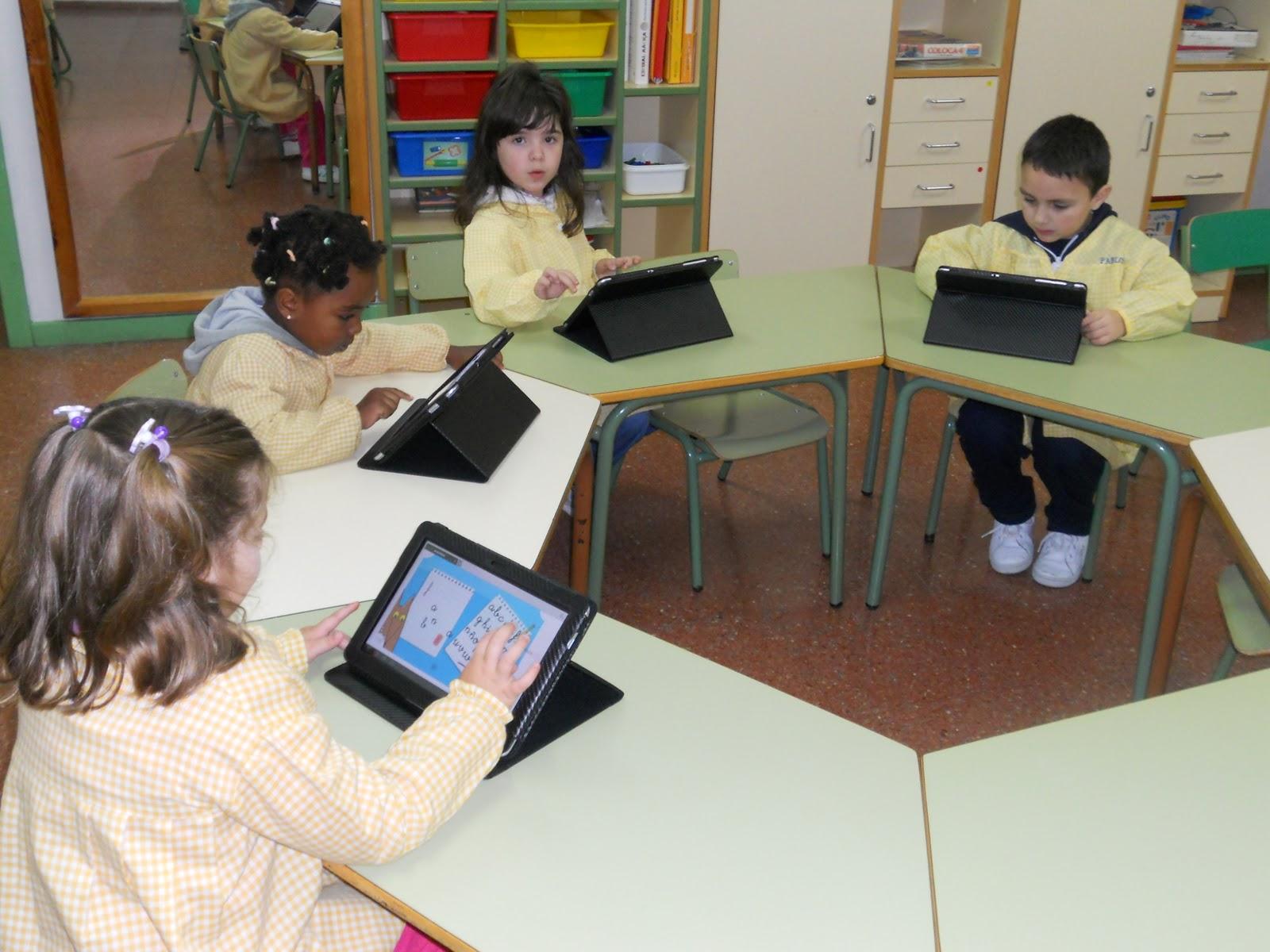
The availability of affordable high-speed internet connections has brought video streaming benefits to more deaf individuals. Online courses offered by institutions like Sword Deaf College in Ohio and the Christian Deaf Virtual University in Alabama have allowed students who cannot attend traditional deaf colleges or universities to access education remotely. This breakthrough removes location barriers and increases access to education for deaf students worldwide.
The Power of Interactive Learning
While interpreted classes have been provided in traditional classroom settings, they often lack the engagement that comes with having an instructor who signs and easily interacts with deaf students. Video-streamed classes open up opportunities for interactive learning experiences, enhancing the quality of education for deaf students. The goal is to further expand the online classroom to make it interactive and two-way, allowing for real-time student and instructor interactions.
The Future of Deaf Education
With the continued advancement of video streaming technology, the possibilities for deaf communication and education are endless. As more communities gain access to high-speed internet connections, educators are hopeful that it will eventually be possible to offer full degrees online for deaf students. This would provide centralized programs for live video-streamed tutoring for elementary and secondary school deaf students, ultimately increasing their chances of pursuing higher education.
Although it is hard to estimate the exact number of individuals who will benefit from video streaming and other computer-based technologies in the deaf community, it is clear that the accessibility and convenience they bring are revolutionizing deaf education. As technology continues to improve, educators and institutions are committed to providing equal opportunities for deaf students to succeed.
In conclusion, video streaming has become an increasingly important tool in the field of education for the deaf. With its ability to deliver sign language instruction seamlessly over the internet, it has opened up new opportunities for deaf individuals to access education remotely. As technology continues to advance, the future of deaf education looks promising.
The article highlights the positive impact video streaming is having on deaf education. Similarly, hotels play a crucial role in ensuring accessibility for deaf individuals. By providing accommodations such as visual alert systems and trained staff proficient in sign language, hotels can create a welcoming environment for deaf guests. Just as video streaming brings educational opportunities closer to the deaf community, accessible hotels help facilitate their travel experiences and ensure inclusivity in all aspects of life.