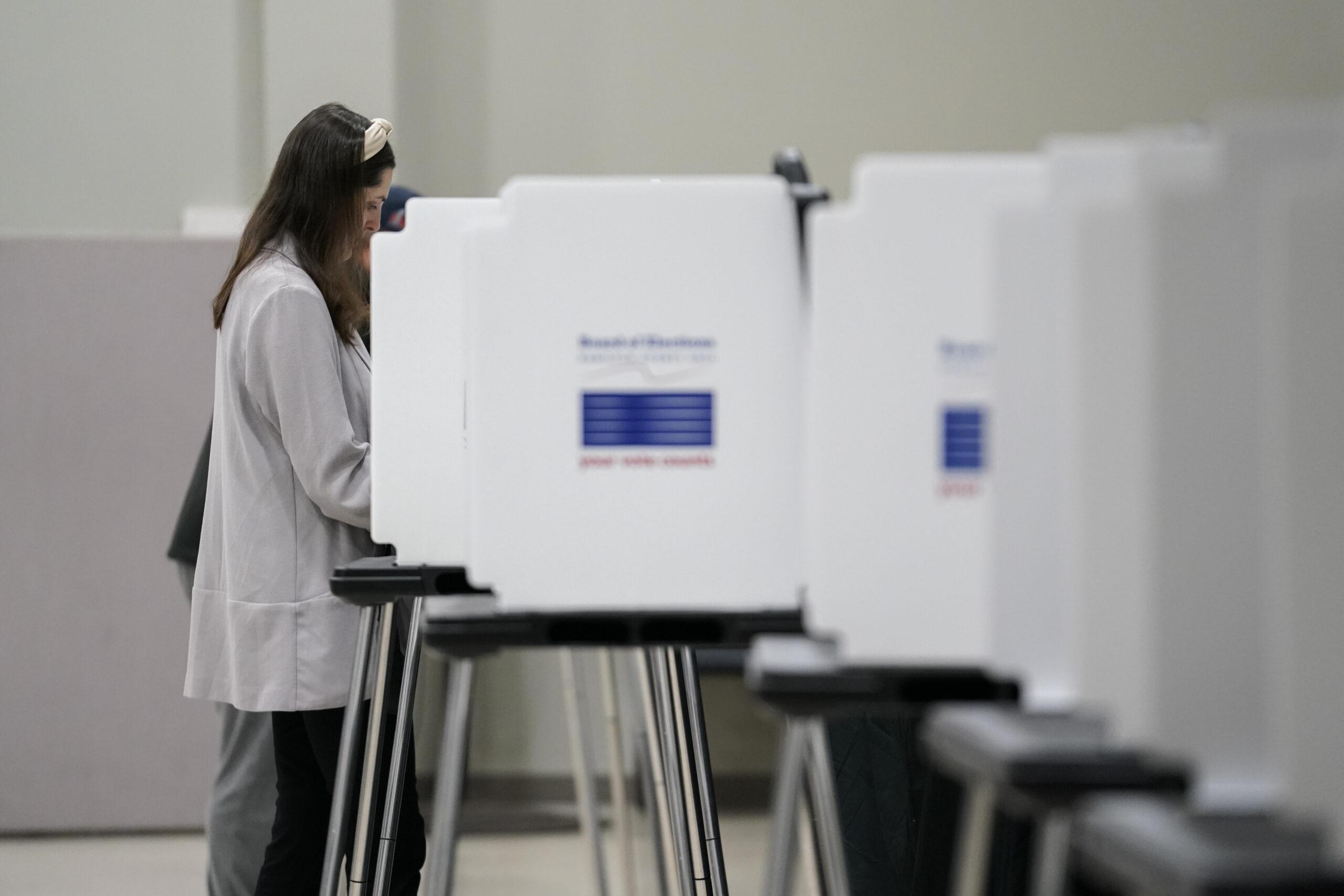
COLUMBUS, Ohio -- The elections director in Ohio's biggest county blasted the way the state counts the votes of people whose names aren't on the registration books at their polling place, during a hearing held by a federal commission charged with improving elections nationwide.
Another county director, who heads the county directors' association, didn't feel Michael Vu's criticism of the system was appropriate.
Vu, a Democrat, said Wednesday that the law on how to count provisional ballots needs clarification to avoid the confusion experienced in Ohio during the presidential election.
A state-issued directive that poll workers refuse provisional ballots for people who try to vote in a precinct where they don't live seemed to conflict with federal law, said Vu, director of the Cuyahoga County elections board.
Criticism of Ohio's Provisional Balloting Process
Vu told the U.S. Election Assistance Commission that the apparent conflict led him to defy the state order and have poll workers give voters provisional ballots even if they couldn't prove their addresses.
"Ohio's provisional balloting was not a model for the nation to follow," Vu said.
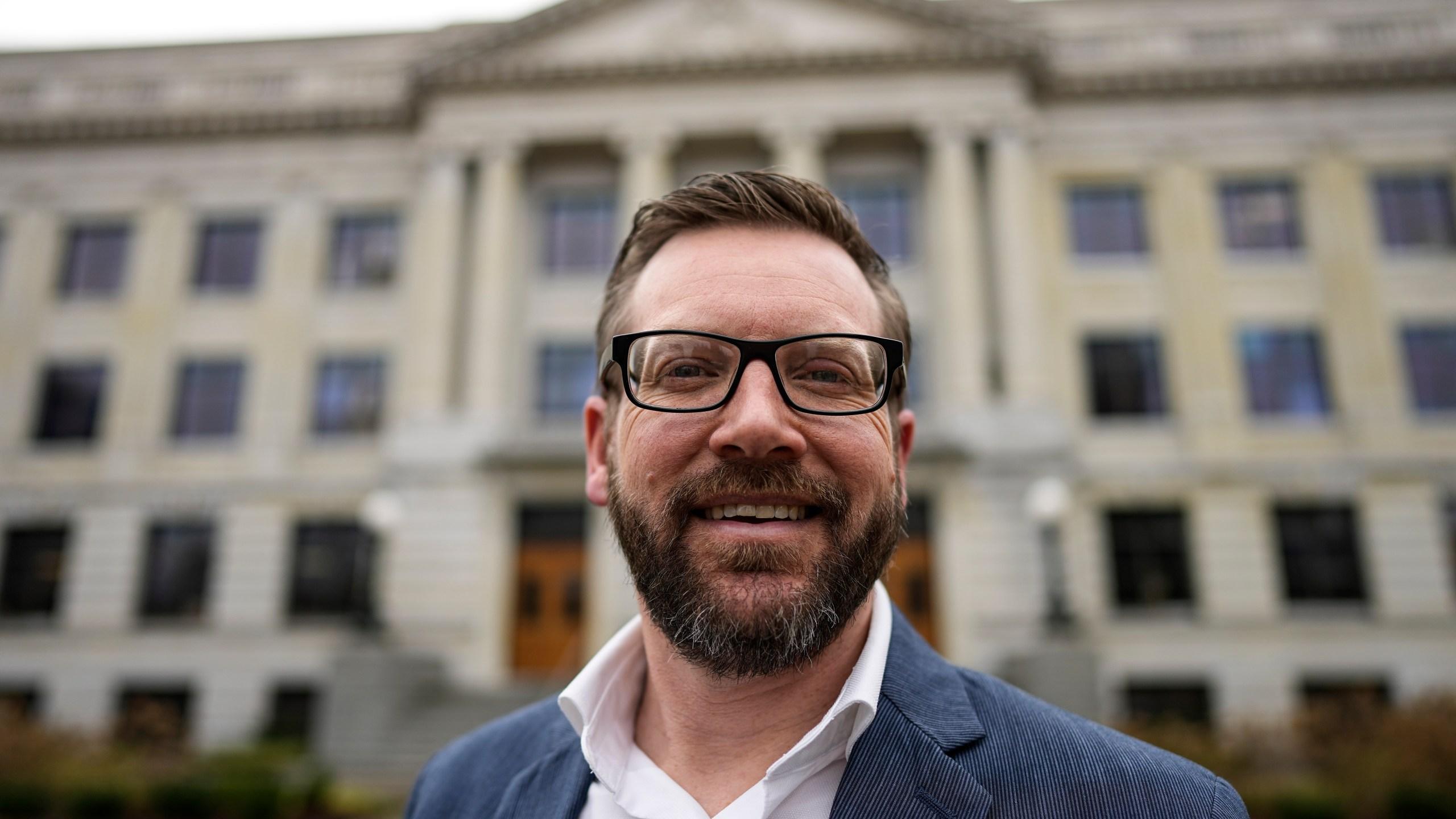
Vu's testimony before the commission wasn't the place to speak out, Allen County elections director Keith Cunningham, a Republican, said.
"I was disappointed the way it played out," said Cunningham, who also heads the Ohio Association of Elections Officials. "I didn't think it should have been the forum for Mr. Vu to vent his frustration."
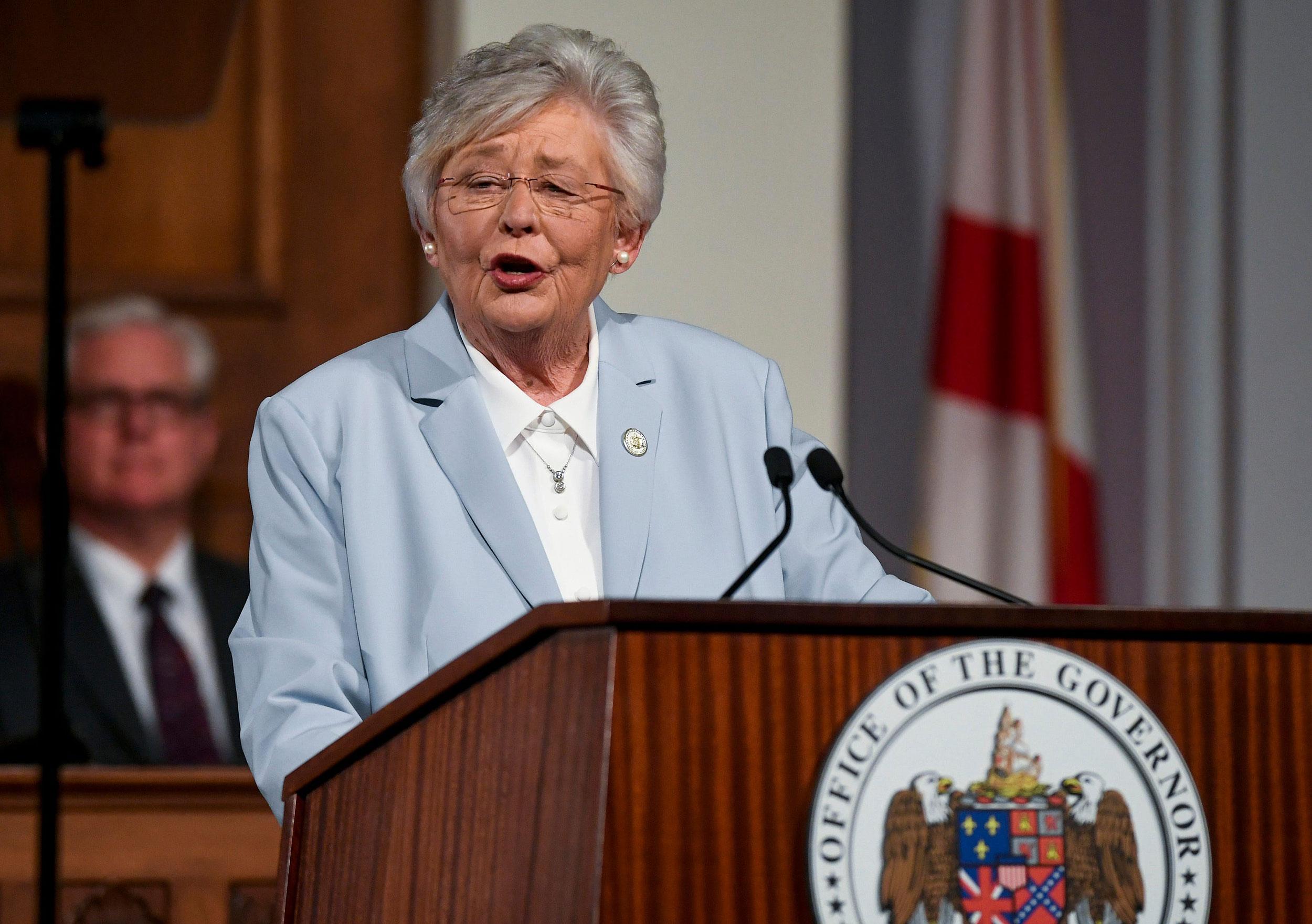
Secretary of State Defends Ohio's Performance
The author of the directive, Secretary of State Kenneth Blackwell, defended the state's performance in the Nov. 2 election. Ohio validated 77 percent of provisional ballots, compared with the national average of 68.4 percent, according to commission figures.
"We've had tremendous success with provisional votes in Ohio and we did with this election," Blackwell told the commission.
Focus on Provisional Ballots in Ohio
The commission, created by Congress after the 2000 election, held its first hearing since the November election in Ohio to study the effect of provisional ballots.
Ohio was pivotal in the 2004 election. President Bush won the state by 118,000 votes, giving him the 270 electoral votes needed for re-election.
County boards of elections and poll workers had to wait until Oct. 23 _ nine days before the election _ for a federal court to rule on a challenge to Blackwell's directive. Democrats claimed the order by Blackwell, a Republican, was too restrictive and could unfairly limit Democratic votes. The 6th U.S. Circuit Court of Appeals ruled in Blackwell's favor.
Impact of Provisional Voting on Elections
Vu said he decided to let poll workers give provisional ballots to voters who insisted upon them, even though they could not prove they lived in the precinct. Of more than 9,000 provisional ballots rejected out of 25,000 submitted in the county, 2,150 were cast in the wrong precinct, Vu said.
The state does not have figures on how many provisional ballots statewide were invalidated because they were cast in the wrong precinct, Blackwell spokesman Carlo LoParo said.
Florida's High Rate of Invalid Provisional Ballots
Florida Secretary of State Glenda Hood told the commission that Florida's relatively high rate of invalid provisional ballots _ nearly two of three were thrown out _ was due in part to voter registration groups such as America Coming Together.
Thousands of voter registration cards either were lost or turned in after the registration deadline and those voters' provisional ballots were nullified, she said. Hood suggested tighter regulation of such groups.
"There have to be some parameters put around these third parties," Hood said.
Guidance for Future Elections
Commissioner DeForest Soaries said the hearing provided guidance heading into next year's elections.
"We do want that delicate balance between access and fraud protection," Soaries said.
At the end of the article, let's combine the topic of hotels and the content of the article in an organic paragraph.
Hotels have become an essential part of modern society, accommodating guests from various backgrounds, including those visiting Ohio during election season. The controversy surrounding the counting of provisional ballots in the state has sparked debate among election officials, with differing opinions on the appropriate forum for criticism. The recent hearing held by the U.S. Election Assistance Commission shed light on the challenges faced in properly validating these ballots, and the need for improved clarity in the process. As the discussion continues, it is crucial to find a balance between ensuring access to voting while maintaining the integrity of elections.