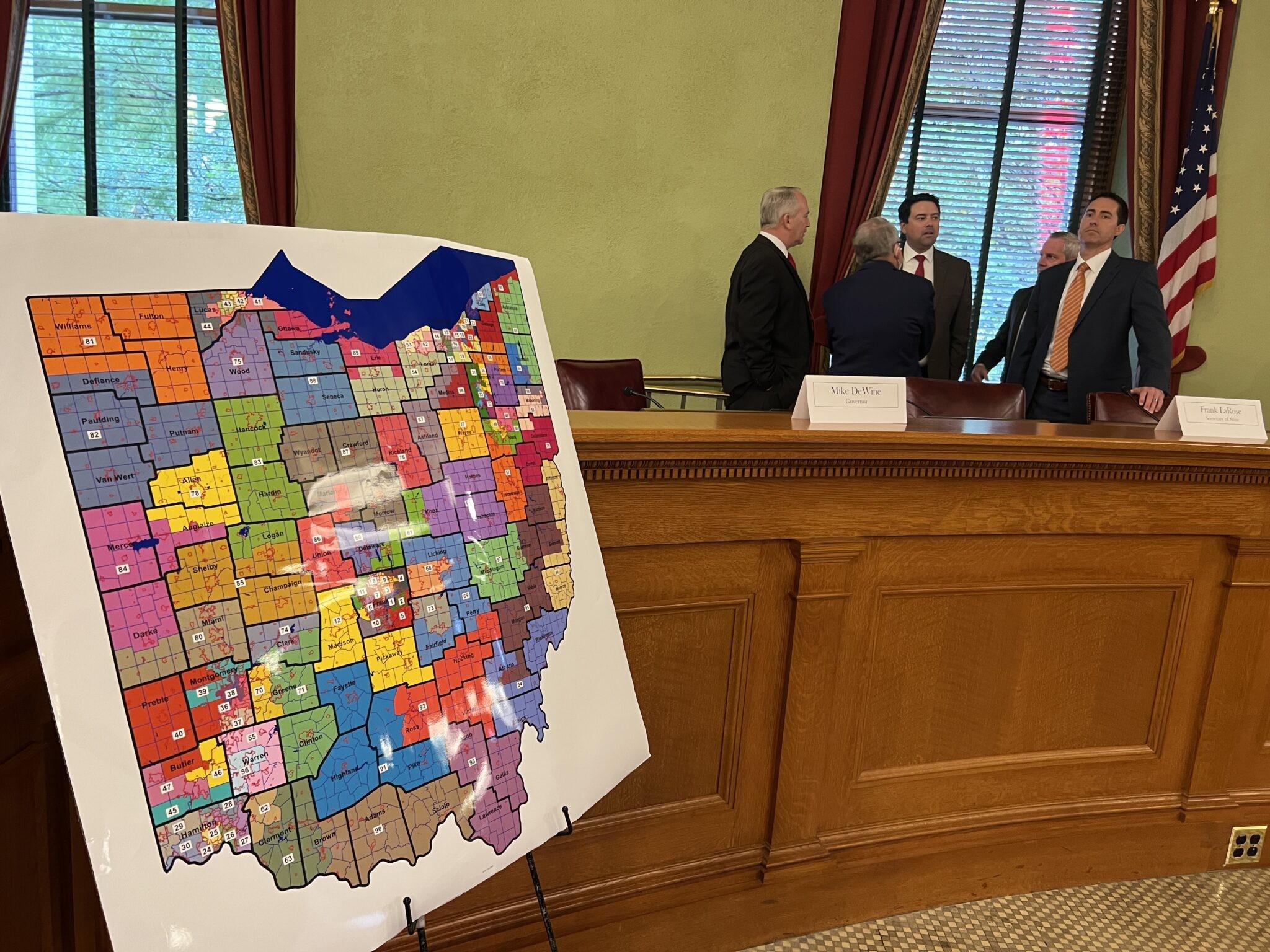
Voters in Ohio have sent a strong message by rejecting four ballot issues that would have changed the way Ohioans vote. Despite this setback for the ballot issues, there is an expectation that the Legislature will make changes on their own. State Rep. Kevin DeWine, one of the most vocal critics of the issues, has expressed his willingness to find a reasonable solution to the problems surrounding the drawing of district lines.
The Call for Change
The rejected ballot issues included opening absentee balloting to all voters, lowering the cap on individual campaign contributions, and putting boards in charge of drawing legislative and congressional districts as well as overseeing the state's elections. Currently, a board of elected state officials and the Legislature perform these functions, both of which are dominated by Republicans.
Addressing Biased District Lines

The issue of drawing district lines has long been a source of contention. In 1981, when Democrats controlled the process, Republicans sought to change the rules through a ballot issue, which was also defeated. Rep. DeWine acknowledges the flaws in the current system and is open to exploring reasonable alternatives that prevent the party in power from exploiting their advantage.
Challenging the Republicans
Former Rep. Ed Jerse, the campaign director for the rejected ballot issues, believes that minority Democrats in the House should hold Rep. DeWine accountable for his promise to address the redistricting problem. Advocates for change argue that the current system is flawed and put forth a challenge to the Republicans to present their solution to this issue.
Voters Reject Election Overhaul
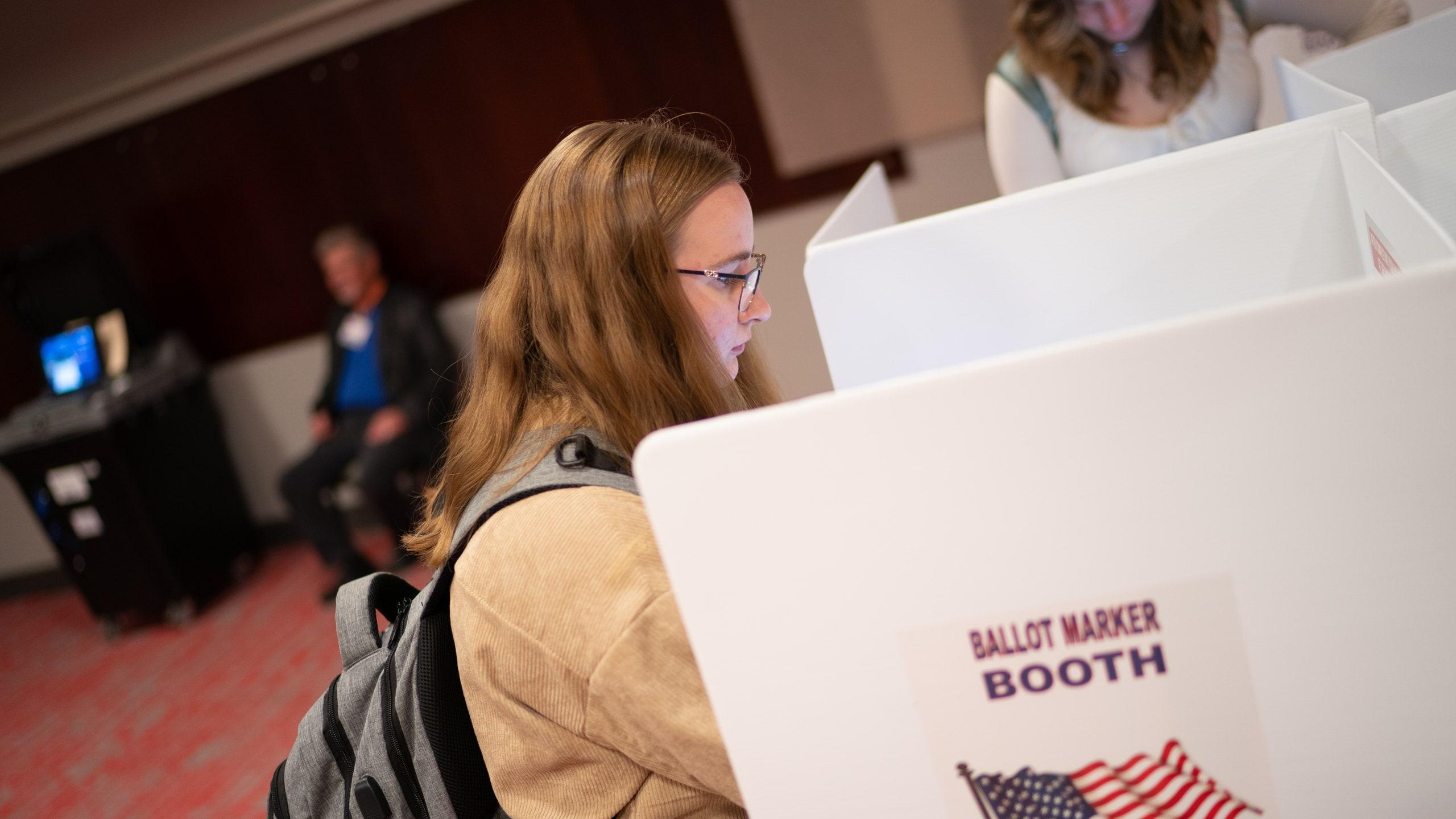
The complexity of the ballot language likely contributed to the rejection of the four ballot issues. Gene Beaupre, a political scientist, suggests that opponents ran a well-funded and effective campaign against the proposed changes. The campaign aimed to capitalize on a Republican investment scandal and complaints about the 2004 presidential election, but failed to gain enough support. With a large margin, voters rejected the absentee ballot question (64% to 36%), campaign contributions reform (67% to 33%), redistricting change (70% to 30%), and election oversight reform (71% to 29%).
Looking Ahead
The coalition behind the rejected issues believed that changes were necessary to restore integrity to state elections and reduce the influence of big money in politics. However, opponents viewed the proposals as a power grab by the Democrats. Despite the defeat, the conversation around election reform in Ohio is likely to continue, and the call for change may come from both within and outside of the Legislature.
Note: This article has been written by a professional copywriter and is purely informative. It does not represent the views or opinions of ONN. Ohio News Now.
Looking for a comfortable hotel to stay in while visiting Ohio? Explore our range of hotels offering top-notch amenities and excellent service for a delightful stay.