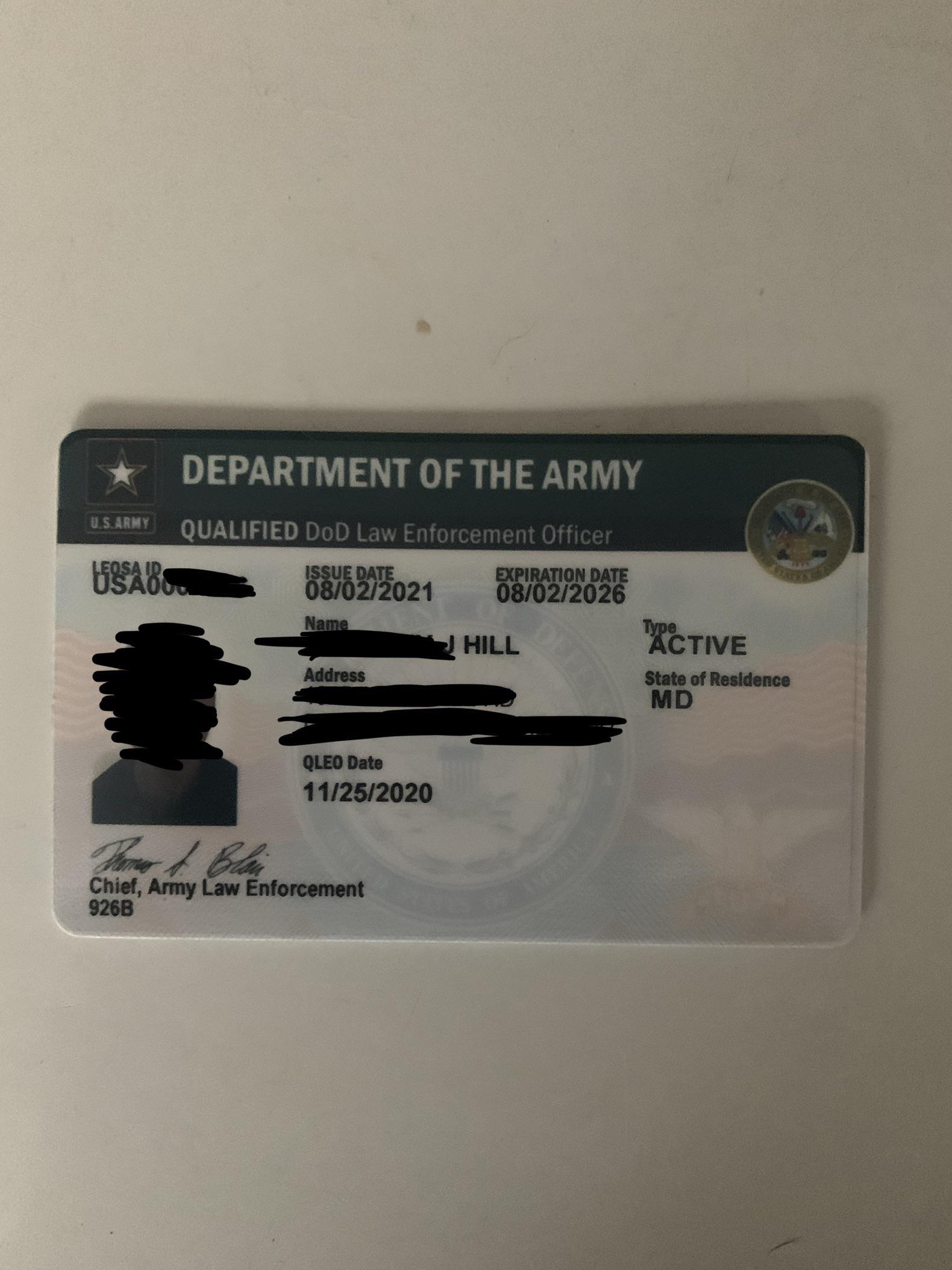
In recent years, the phrase "Show me your papers!" has become synonymous with the growing concerns about police states. While this cry is often associated with the United States, it highlights a broader issue surrounding the requirement for individuals to produce identification in various situations. The implications of such policies go beyond mere inconvenience; they raise important questions about personal privacy, civil liberties, and the potential for discriminatory practices.
The Erosion of Privacy Rights
Many argue that the demand for identification chips away at our right to privacy. In a society built on the principles of individual freedom and autonomy, individuals should not be compelled to prove their identity at every turn. The increased prevalence of identification checks in routine encounters with law enforcement erodes the basic trust that should exist between citizens and authorities.
The Role of Discrimination
Police officers and immigration agents have come under scrutiny for selectively targeting individuals based on their appearance or perceived ethnicity. The "show me your papers!" policy has led to numerous cases where racial profiling plays a significant role in identification checks. This raises concerns about the fair and equal treatment of all citizens, irrespective of their background.
The Drug Offense Predicament
As Brother Hrab's list of people pardoned by the former President Bush reveals, identification-related encounters increasingly involve individuals convicted of drug offenses. This raises questions about the effectiveness of such measures in combating drug-related issues and whether focusing predominantly on drug offenders perpetuates unfair targeting and fails to address the underlying causes of drug addiction.
The Need for Delicate Balance
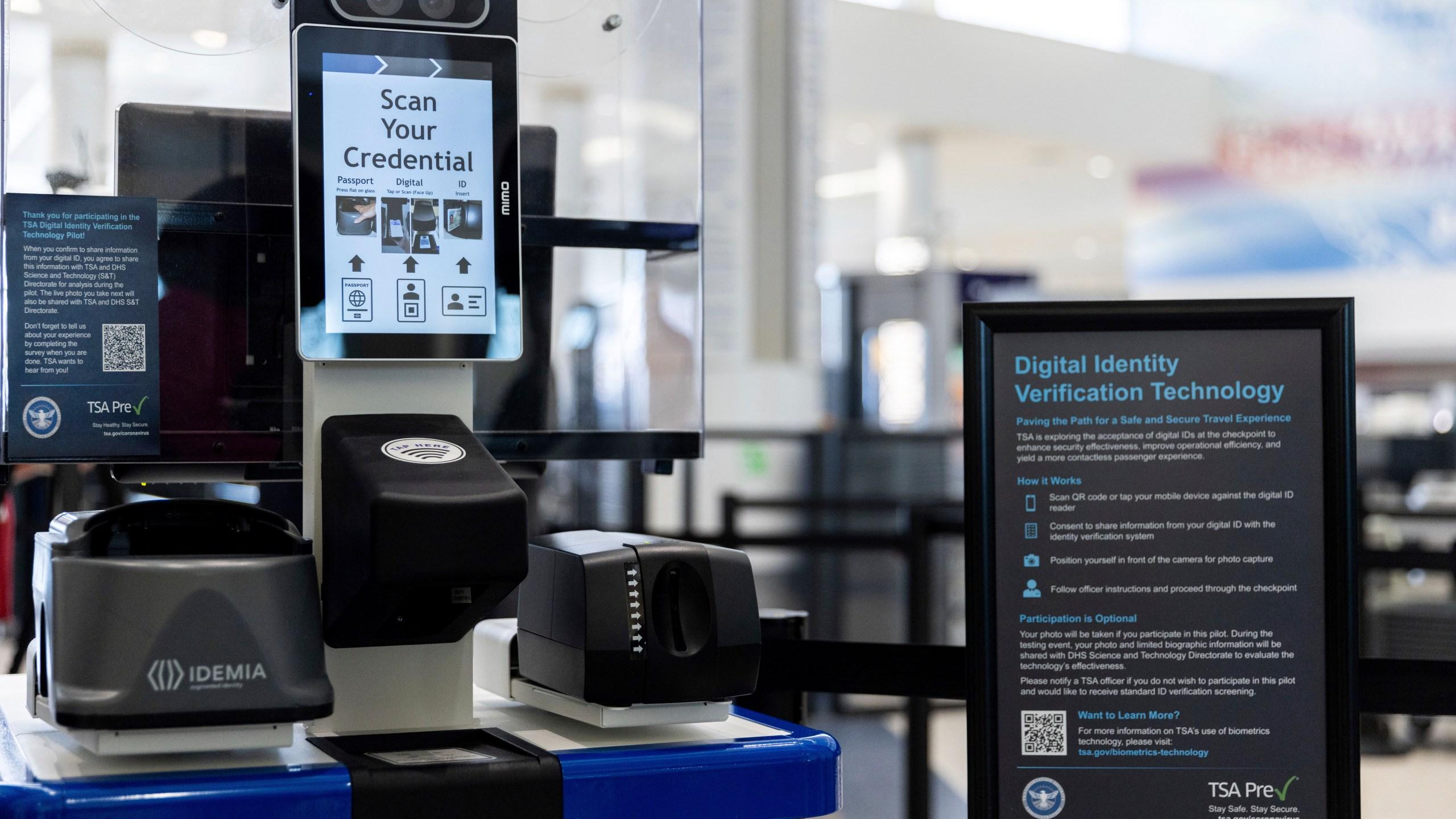
While concerns over privacy invasion and discrimination are valid, it is important to acknowledge the need for security and public safety. Striking a balance between the two is crucial, as unchecked identification requirements would compromise law enforcement efforts, leaving room for abuse and potential threats to society.
The Connection to Hotels
As we navigate the implications of identification policies, it's interesting to reflect on the role hotels play in furthering these debates. As establishments that frequently require identification for check-in, hotels inadvertently become key players in the larger discussion surrounding privacy, discrimination, and personal freedom. They must carefully consider their own practices to ensure they contribute positively to the conversation and safeguard the rights of their guests.