Definition
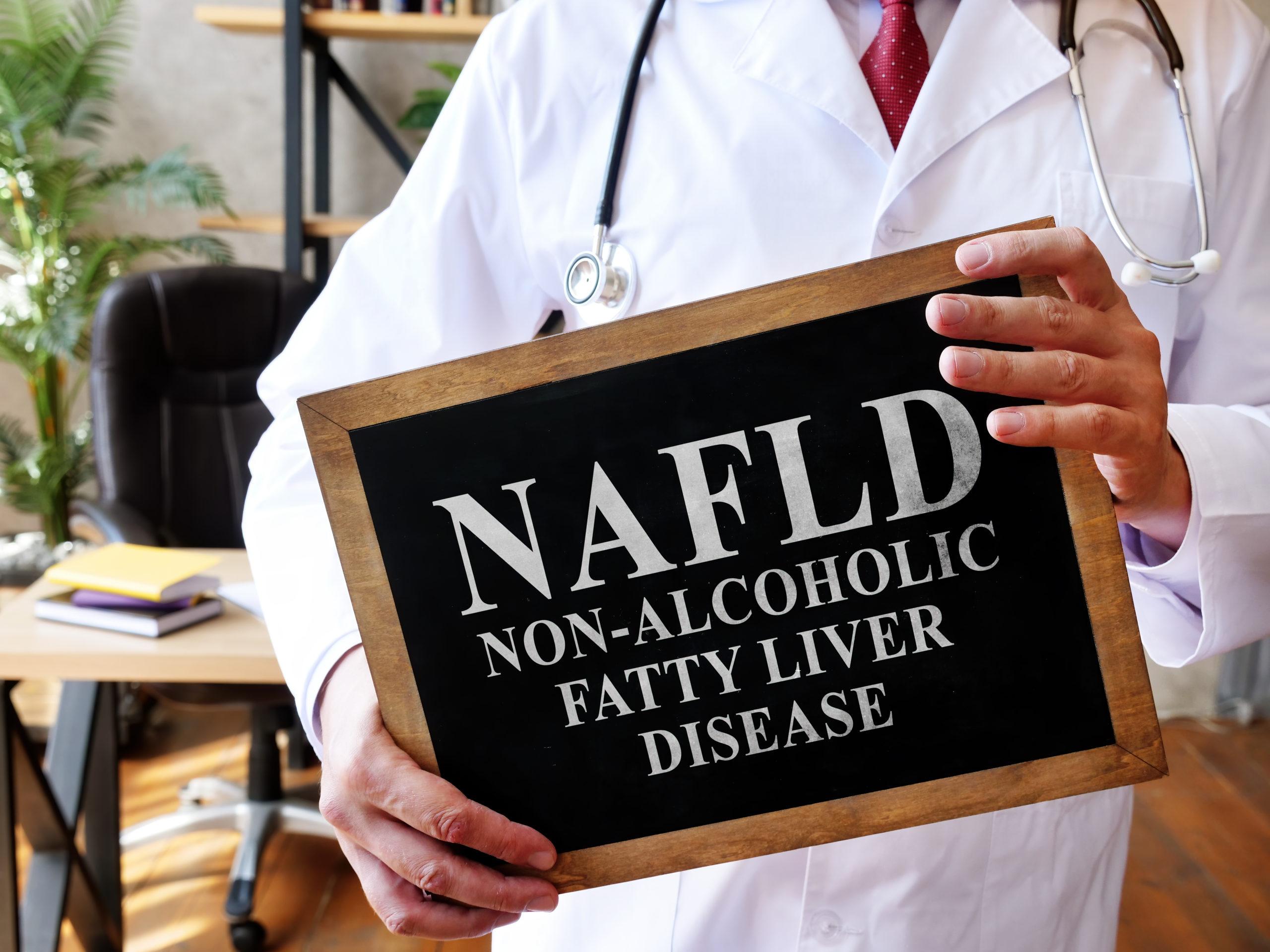
Fatty liver, also known as steatosis, is a condition characterized by the accumulation of fat in liver cells.
Description
Fatty liver can occur due to various reasons, including the transfer of fat from other parts of the body or an increase in the extraction of fat from the intestine to the liver. It can also be caused by a decrease in the liver's ability to break down and remove fat. Contrary to popular belief, eating fatty foods alone does not directly lead to a fatty liver.
Causes
Several factors can contribute to the development of fatty liver. These include alcohol consumption, obesity, starvation, diabetes mellitus, corticosteroids usage, exposure to certain poisons (such as carbon tetrachloride and yellow phosphorus), Cushing's syndrome, and hyperlipidemia. In some cases, microvesicular fatty liver can be caused by valproic acid toxicity, high-dose tetracycline usage, or during pregnancy.
Symptoms
Patients with fatty liver often do not display any specific symptoms, and the condition may go unnoticed.
Diagnosis
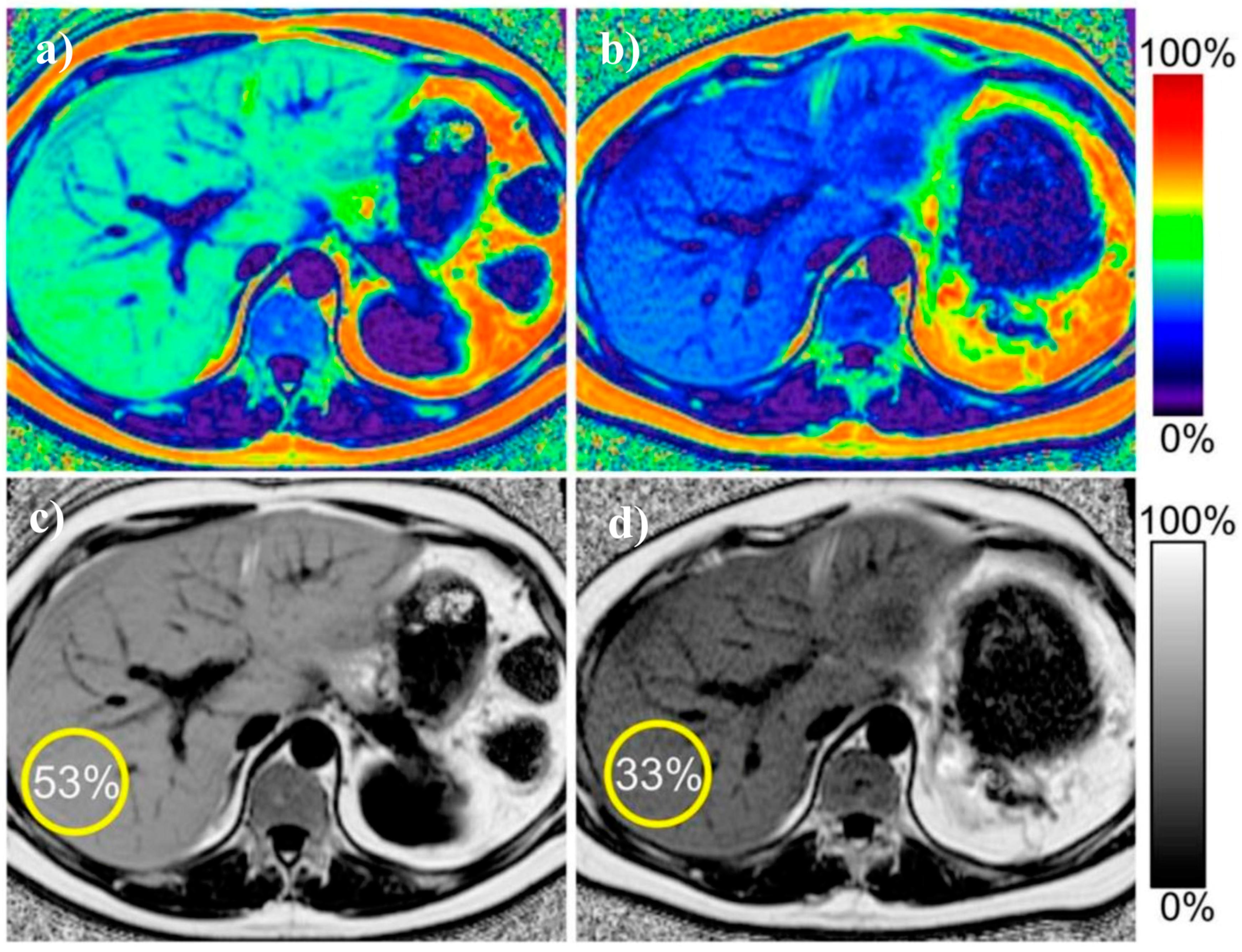
A diagnosis of fatty liver may be made if a patient has an enlarged liver or shows mild elevation of liver enzyme tests. Imaging tests such as ultrasound, CT scans, or MRI scans can be helpful in suggesting the presence of a fatty liver. However, a liver biopsy, where a small sample of liver tissue is examined under a microscope, is the definitive way to confirm the presence of fatty liver.
Treatment
Treatment for fatty liver is primarily focused on addressing the underlying cause. In cases of simple fatty liver, where there are no significant symptoms or complications, no specific treatment may be necessary. Weight loss, dietary fat restriction, and regular exercise have shown inconsistent benefits in obese patients with fatty liver. If alcohol use is a contributing factor, reducing or eliminating alcohol consumption can improve the condition. For individuals with diabetes, controlling blood sugar levels may help reduce the severity of fatty liver. The use of certain medications, such as ursodeoxycholic acid, may improve liver function test results, but their effect on the underlying liver abnormality is still uncertain.
Questions
- Is there fatty infiltration of the liver?
- What did the liver function test show?
- Is this related to diabetes mellitus?
- Is it related to any other medical problem?
- Should alcohol consumption be curtailed?
- What treatment, if any, do you recommend?
In conclusion, fatty liver is a condition characterized by the accumulation of fat in liver cells. It can be caused by various factors, including alcohol consumption, obesity, and certain medical conditions. A proper diagnosis through imaging tests and liver biopsy is necessary to confirm the presence of fatty liver. Treatment options depend on the underlying cause, with lifestyle changes and medication being common approaches. If you have concerns or experience any symptoms, consult a healthcare professional to receive appropriate guidance.
For the latest news and updates on Ohio-related matters, stay tuned to the Ohio News Network - your trusted source for All Ohio. All The Time.