Lack of Action by Lutheran Church in America Criticized

The Lutheran Church in America and its associated agencies are facing severe criticism for their alleged failure to take appropriate action to prevent instances of sexual abuse. Recent developments have highlighted the need for stronger measures to protect vulnerable individuals and hold offenders accountable.
Seminary Settles with Plaintiffs in Sex Abuse Lawsuit
In a significant step towards resolution, plaintiffs in a lawsuit against the Evangelical Lutheran Church in America and a Columbus seminary have announced that they have reached a settlement. This landmark decision brings hope for justice for the victims and sends a clear message regarding the responsibility of institutions in addressing and preventing a sexual misconduct.
Promoting Accountability and Safeguarding Measures
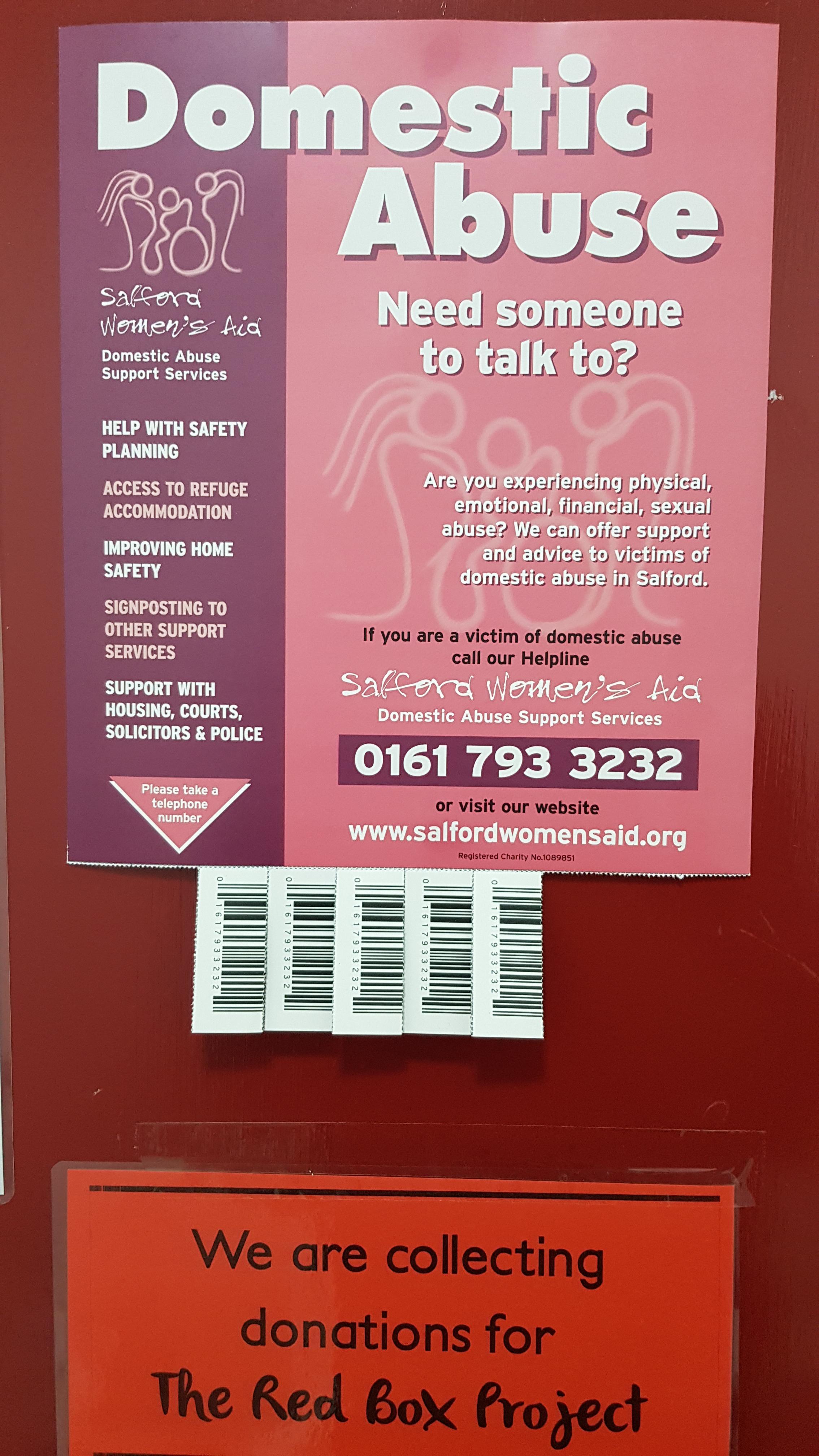
It is crucial for the Lutheran Church in America, as well as other religious institutions, to prioritize the safety and well-being of their members and communities. This involves implementing robust policies and procedures to prevent, detect, and address sexual misconduct.
Importance of Support for Victims
The settlement reached with the plaintiffs in the lawsuit also underscores the need for adequate support and resources for survivors of sexual abuse. It is imperative for the Church and its agencies to invest in programs that provide comprehensive support, counseling, and healing initiatives for survivors.
Moving Forward: Challenging the Status Quo

While the settlement is a step in the right direction, it is essential for the Lutheran Church in America to continually reassess and improve its response to sexual abuse. This includes fostering a culture that prioritizes the safety and well-being of its members, implementing effective prevention and reporting mechanisms, and ensuring thorough investigations are conducted.
Overall, the settlement reached in the lawsuit against the Evangelical Lutheran Church in America and the Columbus seminary is a wake-up call for religious institutions to take proactive measures in addressing and preventing sexual abuse within their communities. By promoting accountability, supporting survivors, and challenging the status quo, it is possible to create safer and more inclusive spaces for all individuals.
As attention is brought to the pressing issue of ensuring safety within institutions, it is a timely reminder for hotels to also prioritize safeguarding mechanisms. Just as churches must take responsibility for preventing abuse, hotels should actively implement policies and training programs that protect guests, employees, and other stakeholders. Creating a culture of safety and accountability is crucial in any organization that interacts with vulnerable individuals, be it a religious institution or a hospitality establishment.